Choosing the right packaging for dog treats is far more important than many people realize. Imagine carefully made jerky reaching the customer only to find it soft instead of crunchy, tainted with off-odors, crushed into crumbs, or even spoiled. This isn’t just product loss—it directly damages brand trust.
Dog treats are particularly sensitive to air, moisture, light, and physical pressure. Good packaging helps preserve quality, protects treats during transportation, and improves the overall customer experience.

What Makes the Ideal Dog Treat Packaging?
An effective packaging solution should meet four key functional requirements:
Freshness protection:
The core goal is to block oxygen and moisture. This is essential for extending shelf life and maintaining the desired texture, whether crunchy or chewy.
Food safety:
Packaging must be made from food-grade materials and provide a strong, reliable seal to prevent contamination.
Transport durability:
Materials should have sufficient tensile strength, puncture resistance, and compression resistance to withstand the challenges of logistics and distribution.
User convenience:
The package should be easy to open, dispense from, and reseal, helping maintain freshness after opening.
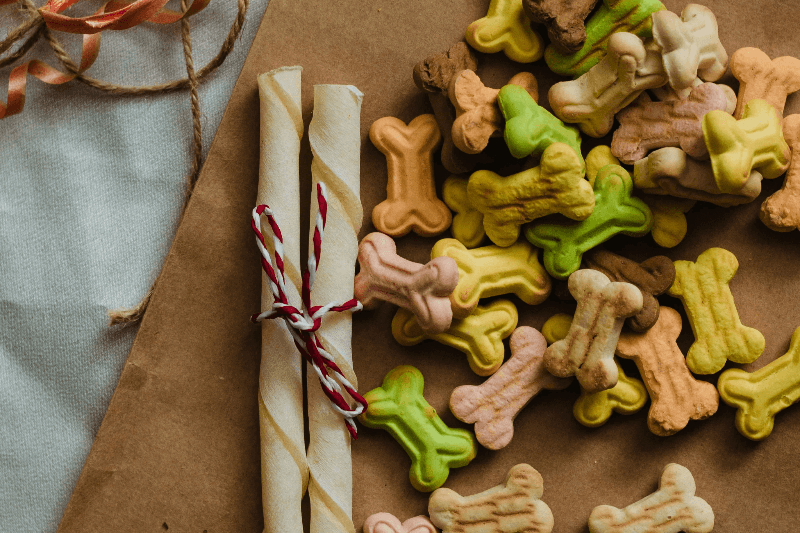
Best Packaging Types for Dog Treats
Several packaging formats are commonly used for dog treats, but some perform better than others depending on the product.
Stand-up pouches (top recommendation):
These offer the best overall performance. They provide excellent moisture and oxygen barriers and usually include resealable zipper closures. Their self-standing design improves shelf display and storage efficiency, while the modern look suits most dried jerky, biscuits, and training treats.
Three-side seal or back-seal bags:
A cost-effective and practical option. With the right laminate structure and film thickness, they can deliver adequate protection and are widely used for both bulk and portioned dog treats.
Boxes or canisters:
Better suited for premium or gift-positioned products, offering superior physical protection and more branding space. The key requirement is an inner high-barrier pouch—typically aluminum foil or multilayer film—to preserve freshness. The outer box mainly provides structure and visual appeal.
Common Packaging Materials for Dog Treats
Material selection directly affects how well the packaging protects the product.

Plastics and laminated films:
These are widely used because they effectively block moisture and oxygen while remaining lightweight and flexible. They are suitable for most commercially available dog treats.
Aluminum foil–lined materials:
Foil layers provide enhanced barrier protection and are ideal for products requiring longer shelf life or long-distance transportation. They help preserve flavor and texture more effectively.
Paper-based packaging:
Often chosen for its eco-friendly appearance. To properly protect dog treats, paper packaging must be combined with a food-grade inner liner to block air and moisture.
Choosing Packaging Based on Treat Type
Crunchy or dried treats:
Moisture protection is critical. High moisture-barrier materials are essential.
Semi-moist or chewy treats:
Oxygen protection is the priority to prevent mold growth and spoilage. High oxygen-barrier seals are required.
Fragile or irregularly shaped treats:
In addition to barrier performance, the packaging should have enough stiffness or structural support to prevent breakage during handling and transport.
Sustainability and Consumer Preferences
More pet owners are paying attention to sustainability and prefer packaging made from recyclable or reduced-plastic materials. While sustainability is important, packaging must still meet strict requirements for freshness and food safety. The best solutions balance environmental responsibility with effective product protection.
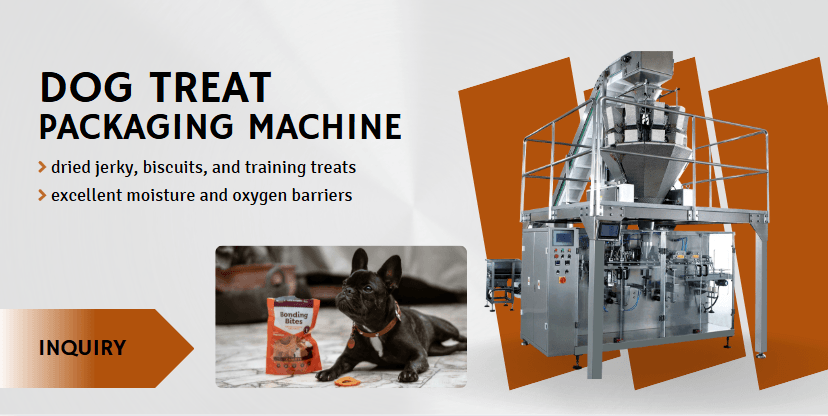
If you’re looking to improve your pet treat packaging or planning to launch a new product, choosing the right packaging solution is critical. Contact us today to discuss your packaging needs and explore customized solutions designed to preserve freshness, enhance shelf appeal, and support your business growth.