“Are paper bags environmentally friendly?”
It’s actually a more complicated question than it seems. Many people assume that paper must be greener than plastic—after all, paper comes from trees, which are renewable, it biodegrades naturally, and it doesn’t linger in the environment for hundreds of years like plastic does. Clean paper bags are also easy to recycle and can be turned into new paper products. All of this makes paper bags sound like the “model student” of eco-friendly packaging.
But the reality isn’t that simple.
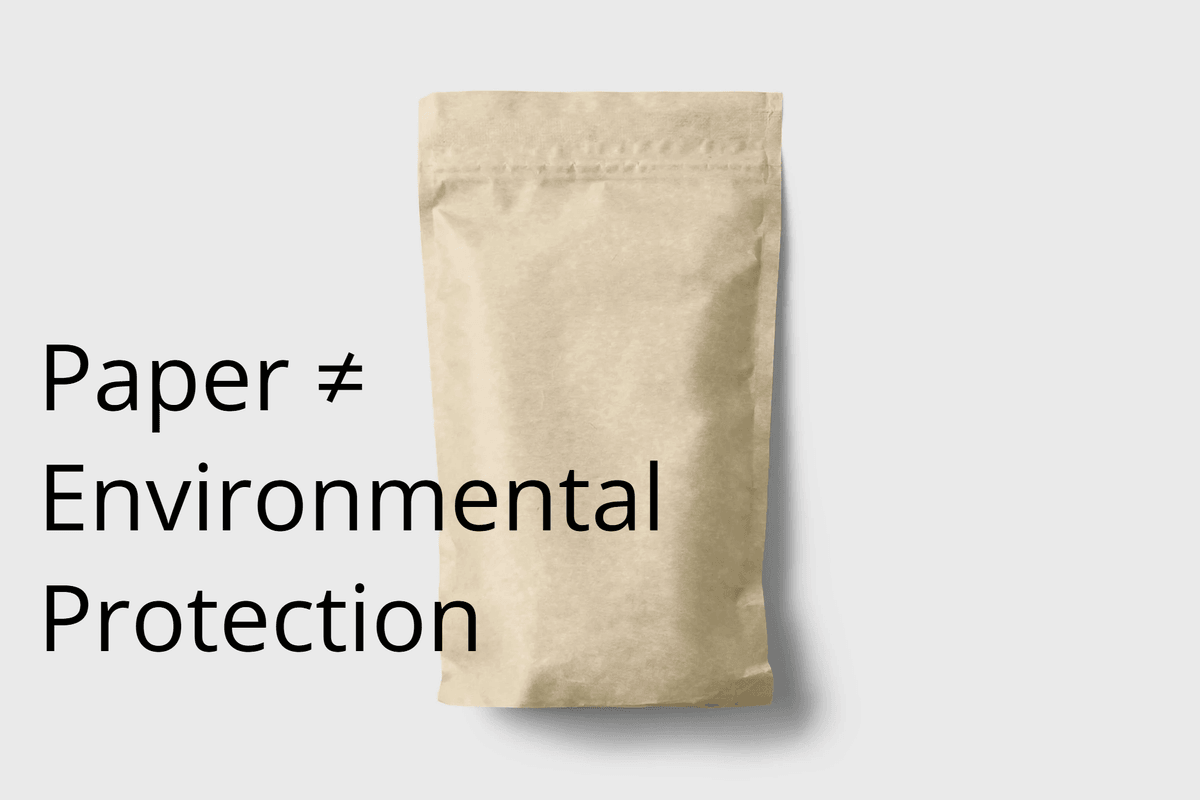
Whether paper bags are truly environmentally friendly depends on how they are produced, how often they are used, and how they are disposed of. In fact, reuse is the single most important factor—using any bag multiple times is usually the most environmentally responsible option.
Paper is one of the most commonly recycled materials in the world. Clean paper bags can be re-pulped and reused to manufacture new paper products.
That said, paper bags have clear downsides. First, paper production consumes large amounts of water and energy and can generate pollution. Second, paper bags are heavier than plastic bags, which increases emissions during transportation. The biggest issue, however, is that many everyday paper bags—such as those used for takeout food or bakery items—are treated with plastic coatings, wax layers, or heavy inks to make them grease-resistant, water-resistant, or more visually appealing. These coatings often make the bags non-recyclable, meaning they end up being incinerated or sent to landfills instead.
If you use a paper bag only once and then throw it away, its overall environmental impact may actually be greater than that of a plastic bag that’s reused many times. To make a paper bag genuinely eco-friendly, you generally need to reuse it at least three to five times, and then make sure it’s clean and placed in the correct recycling bin.
In short, a paper bag is not an automatic “green pass.” It’s more like an environmental tool that only works if used correctly. Use it multiple times, use it wisely, and dispose of it properly—and it can truly reduce environmental impact. It’s also important to understand your local recycling rules, as acceptance standards vary by region.
Related Topics & Answers
- Are recycled paper bags more environmentally friendly?
Yes. Bags made from recycled paper typically require less water and energy and reduce the need for cutting down trees, making them a more sustainable choice. - Are paper bags suitable for commercial packaging?
Yes. Paper bags are widely used for dry goods, food, pharmaceuticals, and light industrial products—especially when paired with efficient filling and packaging machines that help minimize material waste. - Can wet or greasy paper bags be recycled?
Usually not. Paper bags contaminated with food or moisture are difficult to recycle. If local facilities allow it, composting is often a better option.
Thank you for reading.
We are a pouch packaging machine manufacturer, and our equipment is designed to work precisely with recycled paper bags, biodegradable material bags, and other sustainable packaging formats—delivering both high production efficiency and strong environmental performance. We believe true sustainability means making eco-friendly choices practical and scalable. Contact us to explore packaging solutions built for modern, environmentally responsible production.