In today’s competitive snack food market, choosing the right packaging format is just as important as the product itself. Snack packaging not only protects freshness and quality but also affects shelf appeal, consumer convenience, and production efficiency.
This article introduces the most common snack packaging formats used in the market and explains which packaging machines are typically used for each format, helping snack manufacturers make practical and informed decisions.
1. Pillow Bags (Flow Wrap Bags)
What Are Pillow Bags?
Pillow bags are one of the most widely used packaging formats for snacks. They are formed from a flat roll of flexible film, sealed on the back and both ends, creating a “pillow” shape.
Pillow bags are commonly used for potato chips, extruded snacks such as puffs and curls, popcorn, and crackers.

Why This Format Is Popular
This format is popular because it uses less packaging material, supports high-speed production, and is suitable for large-scale snack manufacturing.
Corresponding Packaging Equipment
Pillow bag packaging machines are typically used for pillow bag packaging. These machines automatically form the bag, fill the snack product, and seal it in one continuous process.

2. Stand-Up Pouches (Doypacks)
What Are Stand-Up Pouches?
Stand-up pouches feature a bottom gusset that allows the package to stand upright on store shelves, making them highly effective for retail display.
They are widely used for mixed snacks, granola, clusters, and premium baked or fried snacks.

Key Advantages
Stand-up pouches provide excellent shelf presence, offer a large printable area for branding, and can be equipped with resealable zipper closures for consumer convenience.
3. Gusseted Bags (Side Gusset or Bottom Gusset Bags)
What Are Gusseted Bags?
Gusseted bags expand when filled, increasing internal volume while maintaining a compact shape during storage and transportation.
This format is commonly used for nuts, seeds, dried fruits, and family-size snack packs.

Why Manufacturers Choose This Format
Gusseted bags allow efficient use of space, provide better weight distribution, and are suitable for heavier snack products.
Corresponding Packaging Equipment
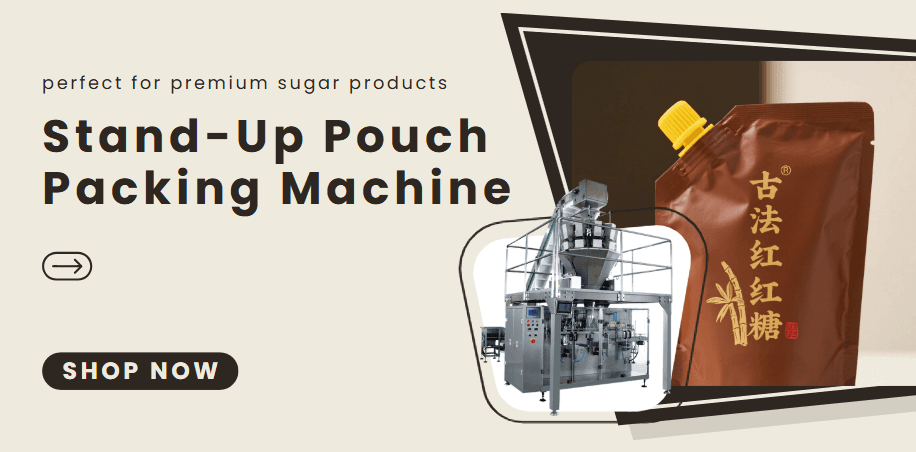
Pre-made pouch packing machines are used for stand-up pouch packaging and Gusseted Bag packaging. These machines open, fill, and seal preformed pouches and are well suited for products that require zipper closures or higher packaging flexibility.
4. Resealable Snack Packaging
What Is Resealable Packaging?
Resealable packaging includes features such as press-to-close or zipper closures that allow consumers to open and close the package multiple times.
Resealable packaging is commonly used for nuts, trail mixes, and snacks that are consumed over multiple occasions.

Benefits for Consumers and Brands
This packaging format helps maintain freshness after opening, improves user convenience, and increases perceived product value.
5. Single-Serve and Portion-Control Bags
What Are Single-Serve Packages?
Single-serve packages are small-sized snack bags designed for one-time consumption or portion control.
They are widely used for school snacks, on-the-go snacks, and multipack snack products.

Market Advantages
Single-serve packaging supports portion control, meets convenience-driven consumption habits, and is ideal for vending machines and convenience stores.
Corresponding Packaging Equipment
High-speed VFFS machines are commonly used for single-serve snack packaging. These machines are designed to handle small bag sizes efficiently and can be integrated into multipack production lines.
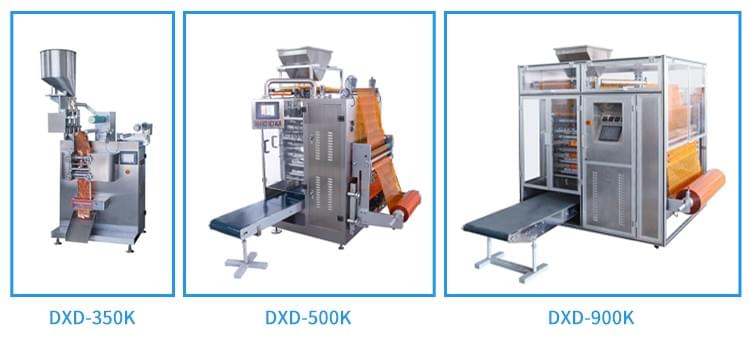
Single-dose packaging can be done using a VFFS packaging machine, or multiple single-dose packages can be produced at once using a multi-channel form fill machine. The specific method depends on your desired production volume and budget.
6. Rigid and Semi-Rigid Snack Packaging
What Is Rigid Snack Packaging?
Rigid and semi-rigid snack packaging includes plastic containers, composite cans, and tubs that provide enhanced physical protection.
This format is typically used for fragile snacks or premium snack products that require additional protection.

Why Use This Format
Rigid packaging offers excellent resistance to crushing and creates a premium appearance that appeals to high-end markets.
How to Choose the Right Snack Packaging Format and Equipment
When selecting a snack packaging solution, manufacturers should consider the snack type and texture, shelf life requirements, production capacity, packaging machine compatibility, and long-term cost efficiency. Matching the right packaging format with the correct equipment ensures stable production and consistent product quality.
Summary
The most common snack packaging formats used in the market include pillow bags, stand-up pouches, gusseted bags, resealable packaging, single-serve packs, and rigid containers. Each format is designed for specific snack applications and requires compatible packaging equipment to achieve optimal results. Understanding how packaging formats and machines work together helps snack manufacturers build efficient and scalable packaging solutions.

If you are looking for customized snack packaging solutions and compatible packaging equipment, working with an experienced packaging manufacturer can help you optimize your production line and product performance. Contact a professional supplier to explore flexible, efficient, and scalable snack packaging solutions tailored to your needs.