Pouch sizes are usually expressed as “width × height + gusset.” The gusset refers to the expandable bottom section of the pouch, which directly determines the actual capacity. As a result, two pouches with the same width and height can hold very different volumes depending on the gusset size.
Small-format packaging is ideal for samples and single-serve products, while stand-up pouches and 1 kg packaging must be selected based on product density, stability, and filling requirements. Choosing the right size ensures a smooth surface, strong shelf presentation, and efficient production.
It is important to note that pouch size is not the same as product weight. Weight depends on product density. Powders, granules, and liquids are relatively compact, while puffed snacks such as potato chips contain a large amount of air. For this reason, pouch size must be chosen based on the product’s physical characteristics, not just the target weight.
Understanding Plastic Pouches
Plastic pouches are a type of flexible packaging made from laminated films such as PET, PE, or aluminum-based structures. Thanks to their durability, light weight, and excellent sealing performance, they are widely used in the food, pharmaceutical, cosmetic, and household chemical industries.
These pouches are suitable for both small and large production runs and offer a flexible solution for brands that need multiple product sizes.
1. Small Pouches
Small pouches are typically used for products ranging from 10 g to 250 g. They are ideal for single-use items, samples, and trial packs, and are commonly used for spices, supplements, sauces, and small snack portions.

This type of packaging is usually a three-side seal pouch or a back-seal pouch and does not have a stand-up function.
Typical size range: width (W) 40 mm–150 mm, height (H) 60 mm–200 mm.
Common size examples:
- 50 g seasoning or powder pouch: 90 mm (W) × 140 mm (H)
- 30 ml sauce or jelly pouch: 70 mm (W) × 100 mm (H)
- 20 g tea or coffee pouch: 100 mm (W) × 150 mm (H)
- 100 g snack pouch: 120 mm (W) × 180 mm (H)
The main advantages of small pouch sizes include lower material usage, simpler operation, and faster filling speeds. They are convenient for consumers and help manufacturers reduce storage and transportation costs.
2. Stand-Up Pouches
Stand-up pouches feature a bottom gusset that allows the pouch to stand upright on shelves. This structure improves product visibility and gives the packaging a more professional, premium appearance.

Sizes are typically listed as width (W) × height (H) + gusset (G), with the gusset being the key variable.
Typical size range:
- Width (W): 60 mm–300 mm
- Height (H): 100 mm–400 mm
- Gusset (G): 30 mm–120 mm (determines standing stability and capacity)
Common size examples:
100 g nuts or pet food stand-up pouch: 140 mm (W) × 200 mm (H) + 60 mm (G)
250 g milk powder or cereal stand-up pouch: 160 mm (W) × 240 mm (H) + 70 mm (G)
500 ml liquid detergent stand-up pouch: 100 mm (W) × 180 mm (H) + 50 mm (G)
Note: Liquid packaging requires special attention to seal strength and barrier performance.
Stand-up pouches are available in a wide range of sizes, from small snack packs to bulk packaging. They are especially popular in retail environments because they combine practicality with strong shelf impact.
3. Reference Sizes for 1 kg Packaging
Compared with small pouches, 1 kg packaging requires more careful size selection. The same weight can require very different pouch dimensions depending on the product. For example, 1 kg of powder can fit into a relatively compact pouch, while 1 kg of chips needs a much larger pouch with more headspace.
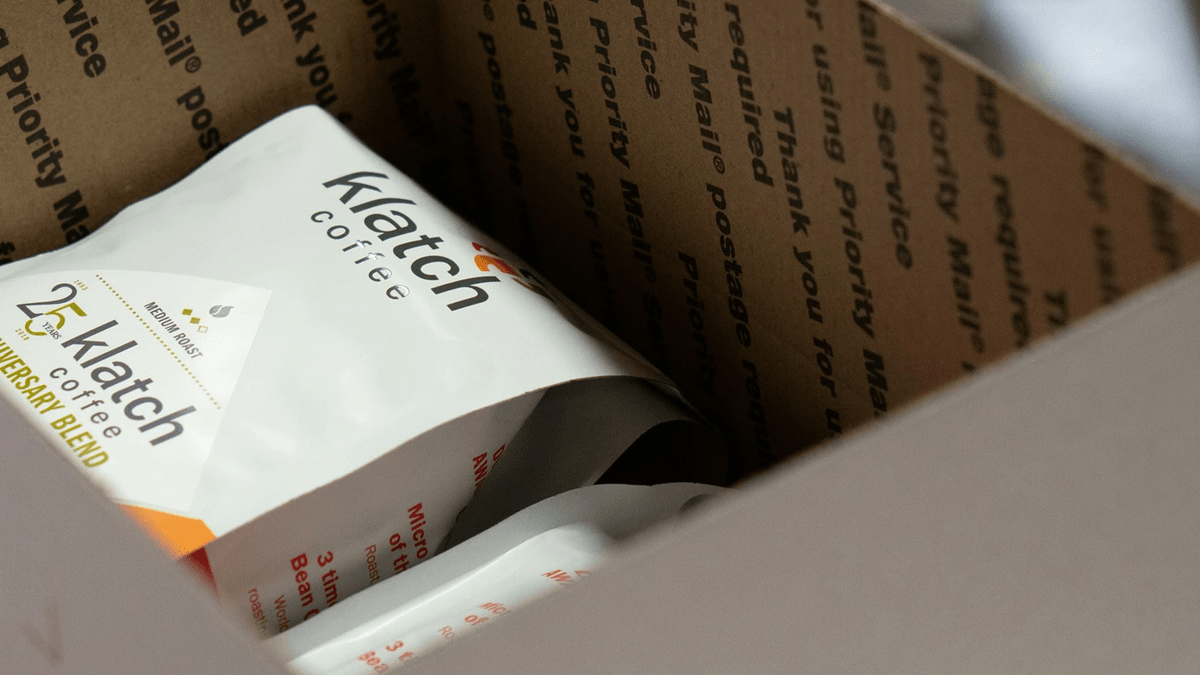
The size of a 1 kg pouch depends heavily on product density. Below are examples for two common categories.
For high-density products such as rice, sugar, and powders:
The required volume is relatively small.
Common size examples (stand-up pouches): 180 mm (W) × 280 mm (H) + 80 mm (G), or 200 mm (W) × 260 mm (H) + 90 mm (G).
For very low-density products such as potato chips and puffed snacks:
A much larger volume is required to hold the product and prevent crushing.
Common size examples (usually pillow pouches or stand-up pouches): 250 mm (W) × 350 mm (H) or larger. If using a stand-up pouch, the gusset may need to be 100 mm or more to ensure stability.
For 1 kg stand-up packaging, stability is critical. A wider bottom gusset helps prevent tipping and ensures the pouch remains upright after filling. It is strongly recommended to test pouch sizes with real product samples before finalizing dimensions.
4. Packaging for Inflated Snacks Such as Potato Chips
Potato chip bags clearly illustrate why pouch size cannot be determined by weight alone. Chips are light and fragile, so the pouch must include sufficient empty space to prevent breakage. This is why chip bags often appear much larger than expected.
Most of these packages are pillow pouches with a center back seal and sealed ends, where size is determined mainly by volume rather than the ability to stand.

Typical size range: width (W) 80 mm–300 mm, height (H) 150 mm–400 mm.
Common size examples:
- 50 g small potato chip bag: 120 mm (W) × 180 mm (H)
- 150 g family-size potato chip bag: 200 mm (W) × 300 mm (H)
- 200 g large puffed snack bag: 220 mm (W) × 320 mm (H)
Small chip bags are designed for single servings, while larger stand-up bags are intended for family packs. Strong seals and appropriate barrier materials are essential for maintaining freshness and product quality.
Summary of Selection and Testing Steps
First, determine the product type and net weight, clarifying whether it is a powder, granule, liquid, or puffed snack.
Next, measure the product volume by placing 1 kg (or the target weight) of the product into a measurable container to determine its loose-fill volume in liters or milliliters. This is the core basis for size selection.
Then, match an initial size by selecting a standard pouch size close to your product type and volume as a starting point.
Work with your packaging supplier to produce sample pouches using the intended materials, ideally testing two to three similar sizes for comparison.
Conduct filling tests using the actual product, checking whether the fill level is appropriate, usually leaving 5–15% headspace for sealing, and evaluating seal quality. For stand-up pouches, test standing stability. If using an automatic packaging machine, machine trials are essential to ensure smooth film feeding, filling, sealing, and cutting.
Finally, confirm the final size by making adjustments based on test results.
Summary
Working with an experienced packaging supplier is crucial. They can provide professional size recommendations and sample support based on your specific product and equipment.
Pouch size plays a key role in packaging success. Small formats are ideal for convenience and sampling, stand-up pouches enhance shelf impact, and 1 kg bags require careful design based on product density and stability.
If you are planning a new packaging project or need packaging equipment that supports specific pouch sizes, feel free to contact us. We have over 20 years of packaging manufacturing experience and offer a five-year warranty.