Liquid filling machines are widely used in pharmaceutical, cosmetic, and chemical industries. However, one common problem during production is bubble formation in filled bottles, which can affect product appearance, filling accuracy, and packaging quality.
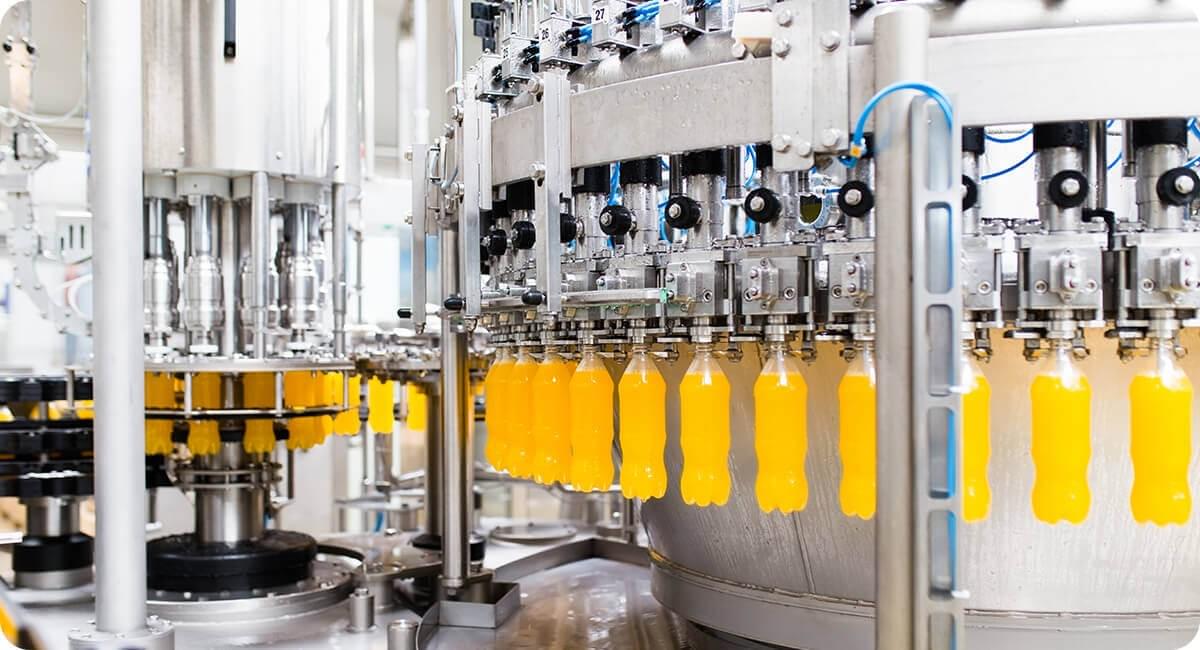
Bubbles in liquid filling machines are usually caused by high filling speed, improper nozzle design, or unsuitable liquid viscosity. By optimizing filling methods, adjusting machine parameters, and selecting the correct filling technology, manufacturers can significantly reduce bubble formation.
Liquid filling machines typically operate using gravity filling, piston filling, or pump filling systems. Each method is suitable for different liquid viscosities.
One major cause of bubbles is excessive filling speed. When liquid flows too quickly into the container, air becomes trapped in the liquid and forms bubbles. Reducing the filling speed or using a bottom-up filling nozzle can effectively solve this problem.
Another common reason is incorrect nozzle positioning. If the filling nozzle stays above the liquid surface during filling, the falling liquid creates turbulence and traps air. A diving nozzle that fills from the bottom of the bottle upward helps prevent this.
Liquid viscosity also plays an important role. High-viscosity liquids such as gels or lotions may trap air more easily. Using a piston filling system with smooth flow control can reduce turbulence.
Temperature can also affect bubble formation. Liquids filled at higher temperatures may release dissolved air, which creates bubbles. Maintaining stable product temperature during filling improves consistency.
Machine maintenance is another important factor. Worn seals, loose valves, or unstable pumps can introduce air into the filling process. Regular inspection ensures stable operation and prevents unwanted air entry.
By controlling these factors, manufacturers can maintain smooth filling operations, reduce defective products, and improve packaging appearance.
Many manufacturers realize that filling quality is closely connected to overall packaging system design. Therefore, understanding machine configuration and production line integration is essential for long-term efficiency.
Related Questions
1. What type of filling machine is best for cosmetic liquids?
Piston filling machines are commonly used for cosmetics because they handle thick liquids such as lotions, creams, and gels with high accuracy.
2. How can I reduce foam when filling shampoo products?
Reducing filling speed, using bottom-up filling nozzles, and adjusting liquid temperature can effectively reduce foam formation.
3. What filling accuracy can modern liquid filling machines achieve?
High-quality liquid filling machines can achieve filling accuracy within ±0.5–1%, depending on product viscosity and machine type.
4. How often should filling nozzles be cleaned?
In pharmaceutical and cosmetic production, filling nozzles should be cleaned daily to prevent contamination and maintain hygiene standards.
5. Can liquid filling machines handle multiple bottle sizes?
Yes. Most modern machines allow quick adjustments for different bottle sizes using adjustable guides and programmable control systems.
In conclusion, bubble problems in liquid filling machines can be effectively solved by optimizing filling methods, adjusting speed, and selecting suitable machine configurations. Proper operation and maintenance ensure stable and high-quality production.
If you are looking for a high-precision liquid filling machine with customized solutions and a five-year warranty, contact our team today. We can help you design a complete filling and packaging line tailored to your production needs.